A pre-wedding shoot in Morocco: where to go, when the light is best and what to arrange
Red walls in the morning, dunes turning gold at dusk, the Atlantic behind the ramparts: Morocco gives a couple many backdrops within a few hours of each other. Here is how to choose them, when to be there, and what to settle before the cameras come out.
Reviewed 23 November 2026 · Sources at the end
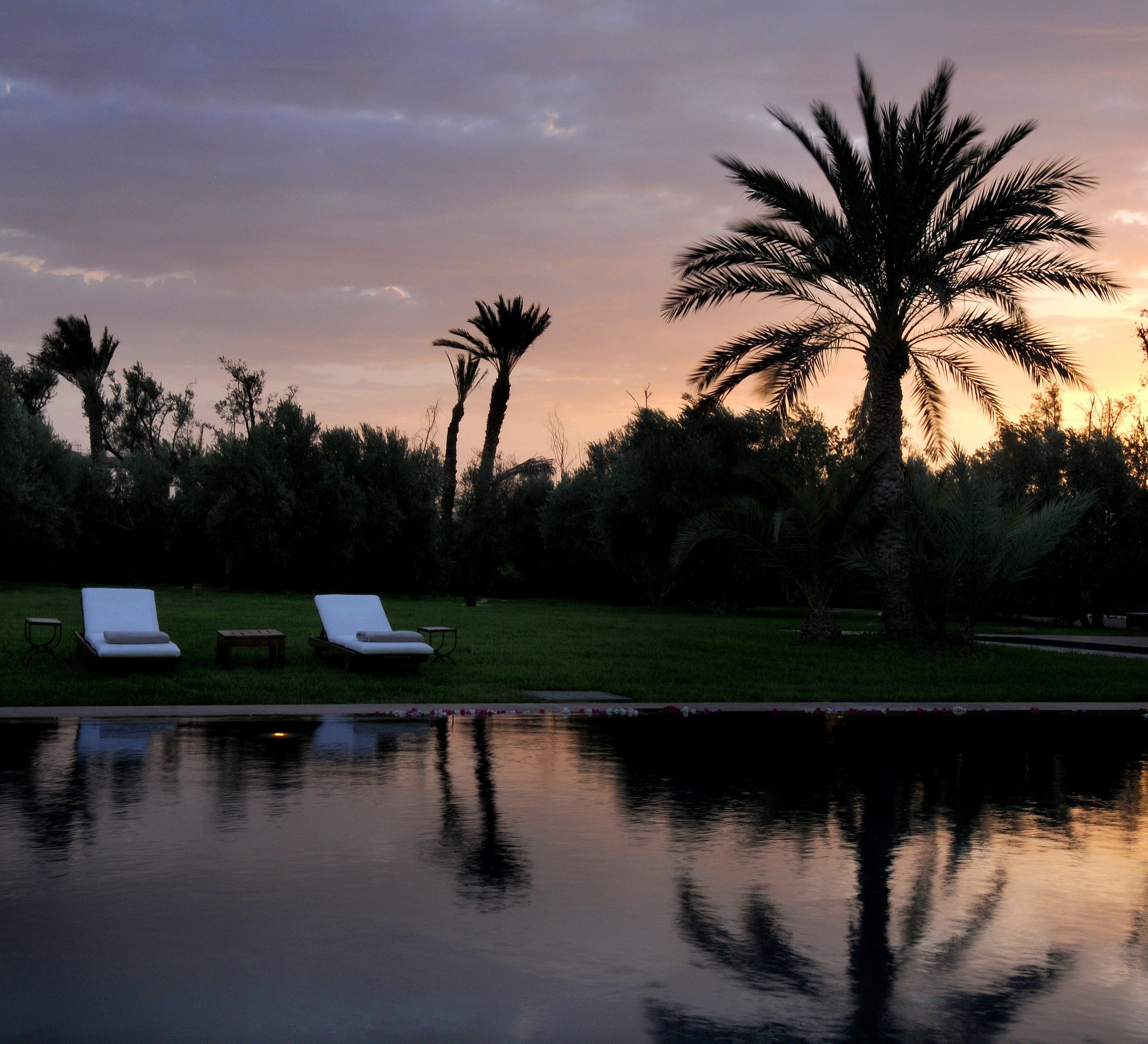
A pre-wedding shoot in Morocco works best between October and April, in the first and last hours of the day, in a medina, a desert or on the Atlantic coast. Morocco’s film law, as we read it, does not mention still photography, but a professional video may need the film centre’s authorisation; gardens, monuments and private estates set their own rules, and a drone needs permission before it comes in your luggage.
Below: the places, the light month by month, the permissions, what to wear and how to behave in public, and the questions to settle with your photographer. Sehra Morocco plans Indian weddings in Marrakech and across Morocco. The rules come from the Moroccan film centre and the film law, the UK government’s travel advice and the published terms of the places concerned, read in November 2026; the advice that follows from them is ours.
A pre-wedding shoot in Morocco, at a glance
- Season
- October to April, in our view: mild days and a low sun that keeps the warm light longer
- Hour
- The first or the last hour of daylight; in December the sun sets in Marrakech at about 5.30 pm, Morocco time
- Filming permits
- As we read the bill behind Law No. 18.23, in force since 1 September 2025, filming any film or audiovisual work is subject to the film centre’s authorisation; amateurs filming for personal, non-commercial use are exempt, and still photography is not mentioned. For a professional video, ask the centre
- Gardens and monuments
- Each sets its own rule; some forbid professional shoots altogether
- Drones
- Permission from the civil aviation authority is needed before bringing one in
- In public
- No displays of affection near religious sites or in tourist areas; ask before photographing anyone
Rules on filming, drones and access change: check them again before your shoot.
Where to shoot: medina, desert, ocean and mountains
The pleasure of Morocco for a couple is variety at short range. Within a day of Marrakech you can stand in a courtyard of carved plaster, on a stony desert facing the snow of the Atlas, on a ridge of orange sand, or on ramparts above the ocean. Choose two settings at most for one shoot: each move costs an hour of the best light.
- The medina of Marrakech: lanes, doors, riad courtyards and gardens, at their best early in the morning, before the crowds. Our guide to things to do in Marrakech with an Indian family describes the city.
- The Agafay desert, under an hour from Marrakech: a stony desert with the Atlas behind it, made for sunrise or sunset. See the Agafay desert from Marrakech.
- The Sahara dunes at Merzouga: the crests of the Erg Chebbi at sunrise, a long journey that deserves at least one night. See the Merzouga desert from Marrakech.
- Essaouira: white walls, blue boats and the ramparts of the Skala, with a wind to plan for. See Essaouira from Marrakech.
- Aït Ben Haddou, the earthen ksar on the road to Ouarzazate. See Ouarzazate and Aït Ben Haddou.
- Fès and Chefchaouen: the gates and rooftops of the old capital, the blue lanes of the Rif. See things to do in Fès and things to do in Chefchaouen.
Gardens, palaces and estates that belong to someone, a hotel or a family, open only with the owner’s agreement: ask for it in writing, with the date, the time and the number of people coming.
When the light is best
The season comes first. From October to April the days are mild and the sun stays low, so the warm light at either end of the day lasts longer, and a heavy outfit is bearable at midday. Our guide to the best time for an Indian wedding in Morocco covers the weather month by month. The hour comes next: plan the shoot around sunrise or sunset on your exact date. Morocco returned to GMT on 20 September 2026 and is now five and a half hours behind India; the times below are on that clock.
- October
- Marrakech 06:35 – 18:00 · Merzouga 06:20 – 17:45
- November
- Marrakech 07:00 – 17:35 · Merzouga 06:45 – 17:20
- December
- Marrakech 07:25 – 17:30 · Merzouga 07:05 – 17:15
- January
- Marrakech 07:30 – 17:50 · Merzouga 07:15 – 17:35
- February
- Marrakech 07:15 – 18:20 · Merzouga 07:00 – 18:05
- March
- Marrakech 06:45 – 18:40 · Merzouga 06:25 – 18:25
- April
- Marrakech 06:05 – 19:00 · Merzouga 05:50 – 18:45
| 15th of the month | Marrakech: sunrise – sunset | Merzouga: sunrise – sunset |
|---|---|---|
| October | 06:35 – 18:00 | 06:20 – 17:45 |
| November | 07:00 – 17:35 | 06:45 – 17:20 |
| December | 07:25 – 17:30 | 07:05 – 17:15 |
| January | 07:30 – 17:50 | 07:15 – 17:35 |
| February | 07:15 – 18:20 | 07:00 – 18:05 |
| March | 06:45 – 18:40 | 06:25 – 18:25 |
| April | 06:05 – 19:00 | 05:50 – 18:45 |
Calculated for the 15th of each month, rounded to five minutes, on Morocco’s legal time: a guide to the light, not a timetable. For a ritual or a meal that must end before sunset, use the published sunset for your own date.
Two consequences. In the desert, the sun rises and sets some fifteen minutes earlier than in Marrakech: a dune shoot at dawn means leaving camp in the dark. And in December, a shoot that starts at four in the afternoon has barely ninety minutes of light.
Permissions: what a private shoot needs
Filming permits: photographs and video
Morocco’s filming permits are issued by the Centre Cinématographique Marocain. A new film law, Law No. 18.23 on the film industry, published in the Bulletin officiel of 30 December 2024, came into force on 1 September 2025, the film centre announced, and repealed a number of earlier texts. As we read the bill, the law makes the filming of any film or audiovisual work, whatever its type or format, subject to an authorisation from the centre, and leaves the list of audiovisual works concerned to a decree. It exempts filming by amateurs for their own personal use, not meant for commerce. Still photography is not mentioned in the provisions we read.
For a couple, that would mean two cases. Photographs alone do not appear to fall under the filming permit, though the places you choose still set their own rules (below). A video is less simple: a professional videographer paid to film you is not an amateur, so their work could need an authorisation, depending on the list set by decree. If you want a professional video, ask your videographer to put the question to the film centre, in writing, before the day. Sehra Morocco does not apply for filming permits, and this is our reading, not legal advice.
Gardens, monuments and private estates
Each place has its own rule. The Jardin Majorelle, in Marrakech, does not allow commercial photographs or videos inside the garden, and anyone who breaks the rule risks being banned from visiting for an indefinite period; its accreditation form for photography and filming is open to journalists only and asks for a press card, a shooting authorisation and a list of equipment. Historic monuments decide on professional cameras for themselves, and private estates on their own terms. The safe course is the same everywhere: ask the place, in writing, before you plan a shoot there.
Drones: leave yours at home
The UK government’s travel advice is plain: anyone planning to bring a drone to Morocco must get permission from the Directorate General for Civil Aviation first, and risks fines and confiscation of the equipment otherwise. For a couple, the answer is simple: aerial images, if you want them, come from a Moroccan operator who already has the drone and the authorisations; otherwise, height comes from a roof terrace or the top of a dune.
Outfits, etiquette and the people around you
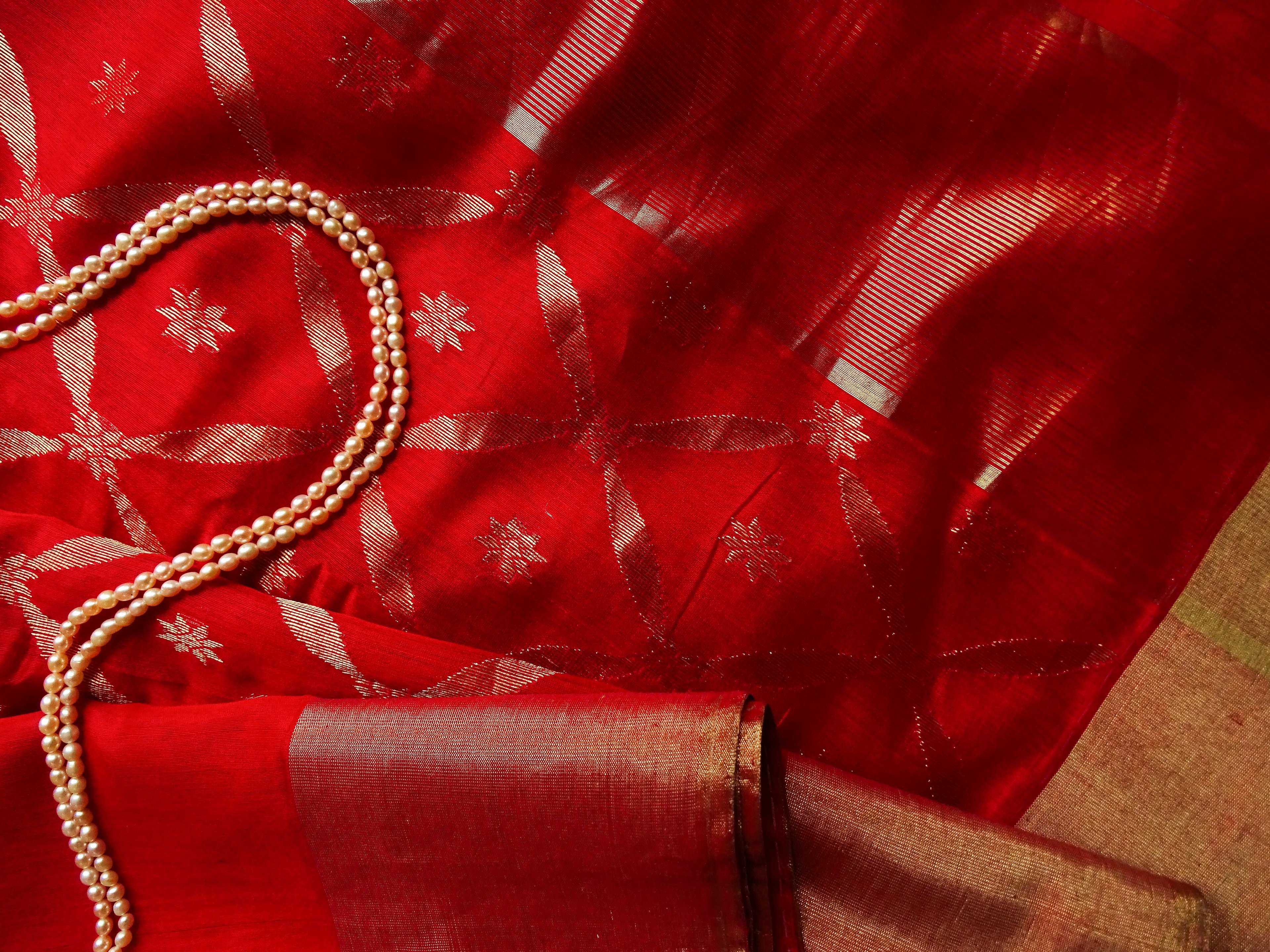
Pack the lehenga, the sherwani and the safa in your cabin bag if you can, with a steamer on the list of things to ask for on arrival.
In public, two rules from the UK government’s travel advice matter most for a couple. Avoid showing affection in public, particularly near religious sites and in tourist areas; and always ask before taking pictures of people, especially children. Photography near sensitive political or military sites is illegal. The tender frames belong in a private garden, on a terrace or in the open desert; the medina gives colour, doors and light.
The setting asks for its own care: sand and stone on the hem of a lehenga, wind on the coast, cold on a desert morning in winter. Bring a shawl for between frames, flat shoes for the walk in, and someone to hold the dupatta.
Five questions to settle with your photographer
- Which places, and whose agreement? For each location: public or private, and who has agreed, in writing.
- Drone or no drone? If yes, which Moroccan operator, with which authorisation.
- What time, exactly? Sunrise or sunset on your date, and the travel time to get there.
- Who is insured for what? The photographer, the equipment, and anyone else on the shoot.
- What if the weather turns? A second date, or a sheltered place nearby.
So, where and when for a pre-wedding shoot in Morocco?
Between October and April, at the first or the last hour of the day, in two settings at most: a medina for colour and architecture, and a desert or the ocean for space. Leave the drone at home, ask every garden and estate in writing, have your videographer check with the film centre before a professional video, keep the tender frames away from public places, and build the day around the sunset of your date. A shoot at dawn can also open the wedding week itself, as in our example of an Indian wedding in ten days.
Planning a wedding in Morocco, with a shoot before it? Tell us your dates and the places you have in mind, and we will answer by e-mail or video call.
Questions couples ask about a pre-wedding shoot in Morocco
Do we need a permit for a pre-wedding shoot in Morocco?
Can we bring our own drone to Morocco?
Which month has the best light for a pre-wedding shoot?
Can we hold hands and pose together in public?
Can we shoot in the medina in a lehenga or a sherwani?
Can we film a video as well as photographs?
Editorial note
This guide draws on the Centre Cinématographique Marocain’s notice on the entry into force of Law No. 18.23 on the film industry and the reorganisation of the centre (Bulletin officiel No. 7365, 30 December 2024; in force since 1 September 2025), and its page on filming permits; on the provisions on filming in Bill No. 18.23 as tabled at the House of Representatives on 27 June 2024; on the UK government’s travel advice for Morocco; and on the published terms of the Jardin Majorelle. All were read in November 2026, the film centre’s notice and the bill on 23 November 2026. Sunrise and sunset times were calculated in November 2026 with the NOAA solar algorithm and checked independently, for Morocco’s legal time, GMT since 20 September 2026 under Decree No. 2.26.530 (Bulletin officiel No. 7521).
Rules on filming, drones and access change, and each place applies its own: check them before your shoot. The provisions on filming were read in the bill as tabled, in Arabic, because the text published in the Bulletin officiel was not available to us: its wording may differ, and the decree that lists the audiovisual works concerned has not been read. This guide is general information, not legal advice. No photographer, hotel or estate is named or recommended, and this guide describes no shoot of our own.
- Centre Cinématographique Marocain: notice on the entry into force of Law No. 18.23 (PDF) and filming of cinematographic and audiovisual works
- House of Representatives of Morocco: Bill No. 18.23 on the film industry, as tabled (PDF, in Arabic)
- GOV.UK, Morocco travel advice: safety and security(photography and filming, drones, public displays of affection)
- Jardin Majorelle: terms and internal regulations
Written by Sehra Morocco. Last reviewed: .
Tell us about your celebration.
By e-mail or video call. We reply within two working days.