Mehendi and Sangeet in Morocco: henna, music and the stage
One is an afternoon of henna and laughter, the other a night of rehearsed dances and a crowded floor. In Morocco, both meet a country with a henna tradition and a music of its own.
Reviewed 23 November 2026 · Sources at the end
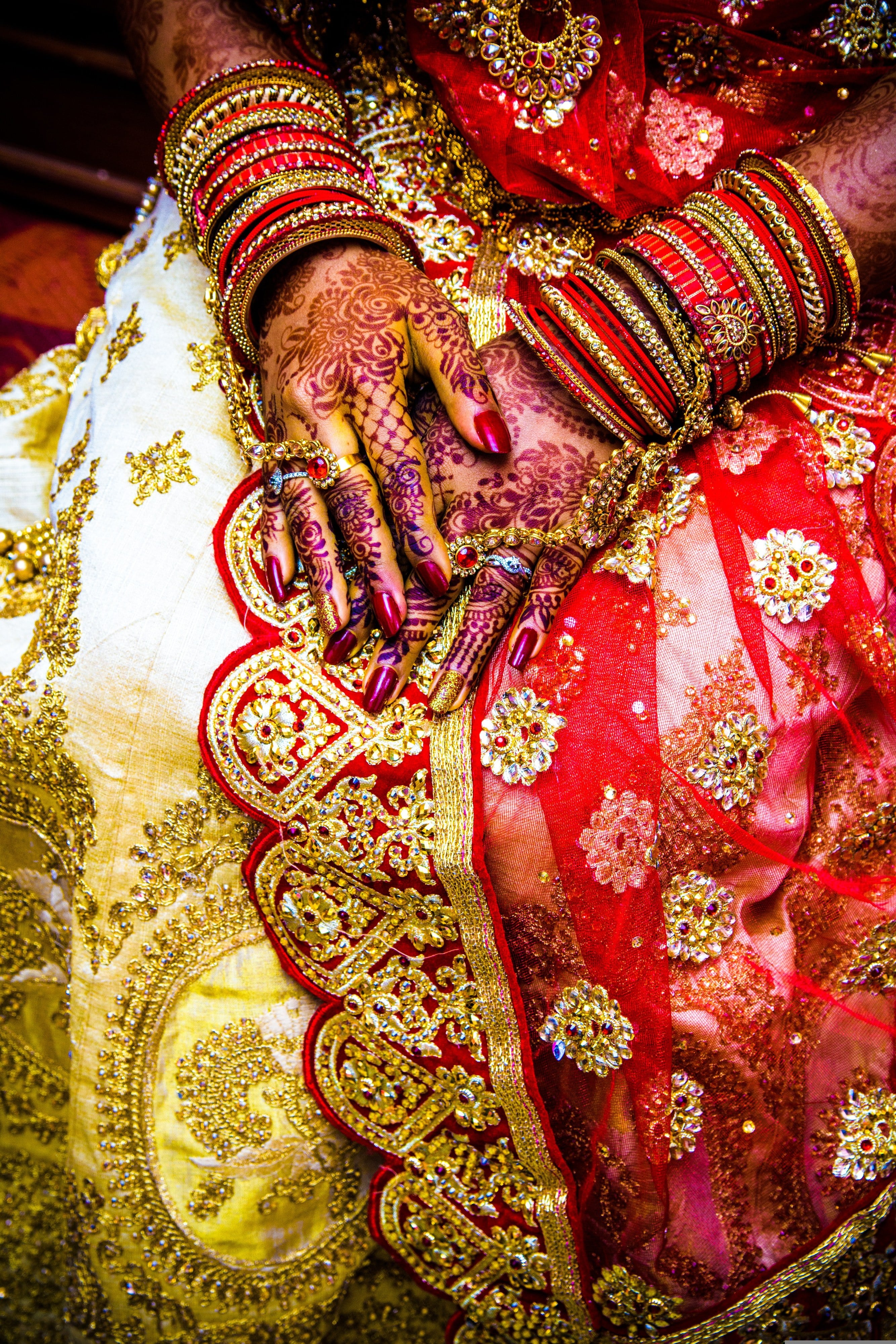
A Mehendi and Sangeet in Morocco are the two most festive moments of an Indian wedding, and both travel well. The mehndi, or henna, can be drawn by artists flown in from India or the UK, or by Moroccan artists in a country whose henna tradition UNESCO has inscribed on its heritage list; the Sangeet brings choreographers, an anchor and DJs from abroad, with sound and light hired on the spot. What decides the success of the two evenings is practical: natural henna and enough time for it, performers whose travel and equipment are settled early, and the hour each venue sets for the music.
Below: what each evening is, how henna works in Morocco, which musicians suit which moment, how a Sangeet is rehearsed from a distance, what the stage needs, and how the night ends. Sehra Morocco plans Indian weddings in Marrakech and across Morocco. Sources are listed at the end, and the advice that follows from them is ours.
The Mehendi and the Sangeet, at a glance
- The Mehendi
- A relaxed afternoon or day of henna, music and food; the bride sits for hours, guests come and go.
- The Sangeet
- An evening of rehearsed family performances, an anchor, then the DJ and the dance floor.
- Henna time
- About five minutes a hand for a simple design; about five hours for a dense bridal design.
- The paste
- Natural henna only. Never “black henna”, which can contain PPD.
- Performers
- Indian artists often fly in from India, the UK or the Gulf; sound and lighting are hired in Morocco.
- The hour
- Set by each venue, sometimes on the local authorities’ instructions: ask for it in writing.
Two evenings, two moods
The Mehendi is the gentlest gathering of the wedding. The bride sits for hours while an artist covers her hands and feet with fine designs, and the women of both families pass from one henna artist to the next, between music, chai and something to eat. Men are welcome to join in. It is a party you drift through rather than sit down to.
The Sangeet turns the wedding into a show. Each side of the family presents dances rehearsed for weeks, an anchor introduces them and keeps the evening moving, then the DJ takes over and the dance floor stays full. Gujarati families may add a night of Garba and Dandiya. Between the two, many families hold the Haldi, the morning of turmeric, which you will find in the programme of our Indian wedding in Morocco. The religious meaning of each moment, from the Ganesh Puja onwards, is explained on the rituals of a Hindu wedding in Marrakech.
Henna in Morocco: two traditions meet
Morocco is no stranger to henna. In 2024, UNESCO inscribed “Henna: rituals, aesthetic and social practices” on its Representative List of the Intangible Cultural Heritage of Humanity, on the joint nomination of sixteen countries, Morocco among them. UNESCO describes henna as a symbol of joy, worn on the hands and feet at weddings and births. An Indian bride who chooses Morocco brings her own art to a country that already celebrates with it.
The two arts are not the same, and that is a choice to make early. If you are looking for a mehndi artist in Marrakech, you will find local artists who draw for guests and can offer Moroccan designs to those who wish. For the dense, figurative work of an Indian bridal mehendi, families can also bring their artist from India or the UK, or combine the two: the bride’s artist from home, Moroccan artists for the guests. In either case, ask to see bridal work in the style you want.
How long henna takes
Time is the hidden ingredient. A simple design on one hand takes about five minutes; a dense bridal design on hands and feet takes about five hours. Close family are usually decorated before the party itself, so that the bride, her mother and her sisters are ready when the guests arrive. If most guests want henna at the same moment, more artists are needed, not a longer party: share the number of guests who wish to be decorated with your artist when you book.
Natural henna, never “black henna”
Natural henna stains the skin brown to reddish-brown. “Black henna” gets its colour from added ingredients, often a coal-tar hair dye containing p-phenylenediamine, or PPD. The US Food and Drug Administration warns that PPD can cause dangerous skin reactions in some people and that there is no telling who will be affected; in the United States, PPD is not permitted in cosmetics applied to the skin, and henna itself is approved there only as a hair dye, which is a US rule. Ask every artist what goes into the paste, and choose natural henna only.
After the henna
The aftercare shapes the programme as much as the design does. Ask your artist for their own instructions, which vary; the usual thread is a long contact time, a few hours of drying in the open air, and no pool, hammam or spa for at least a day. Plan massages and the hammam before the Mehendi, not the morning after. Artists work best in good light and, outdoors, in shade without glare, and they like to know in advance who wants designs on the feet.
Music for the Mehendi: Moroccan and Indian
The Mehendi calls for music you can talk over. Classical Indian musicians, on sitar, tabla, bansuri or sarangi, play sets of about two hours; each sits cross-legged on a low platform and needs a microphone and a small sound system. Some percussionists pair the tabla with a DJ, a fusion that suits ceremonies and receptions alike.
Morocco brings its own voices. Gnawa, inscribed by UNESCO in 2019, is a music of Sufi brotherhoods whose roots are sacred, with ceremonies that can last all night; what a family invites to a wedding is a concert by a Gnawa master and his musicians, not the ritual itself, and it is worth presenting it to guests in those terms.
For a burst of energy at an entrance, a Bollywood brass band can fly in from the UK, its dhol drum part of the band. Expect short sets of no more than about forty-five minutes: it is an entrance, not a soundtrack.
The Sangeet: rehearsals, the choreographer and the anchor
A Sangeet is won in rehearsal. Choreographers who work at destination weddings can teach the routines by video call in the weeks before the trip, then spend two or three days on site for the final rehearsals; their fee depends on the number of songs, dancers and days. Families scattered across cities and countries can therefore rehearse at once, and meet in Morocco only for the last run-throughs.
- A rehearsal room. Ask the venue for a space and time slots for rehearsals on the days before, with a speaker and a mirror.
- The running order. Hand the order of performances and every music file to the sound team a few days ahead, with a spare copy.
- The anchor. Choose an anchor who speaks the languages of both families: English and Hindi, and Gujarati or Punjabi where it matters. Book the anchor early.
- Changing rooms. Performers change outfits between dances: plan a room with mirrors and a steamer near the stage.
Children and grandparents shape a Sangeet too: front seats for elders, and a place for the youngest to rest while the dancing goes on. How we look after them is described on our page on your guests in Morocco.
Stage, sound and light
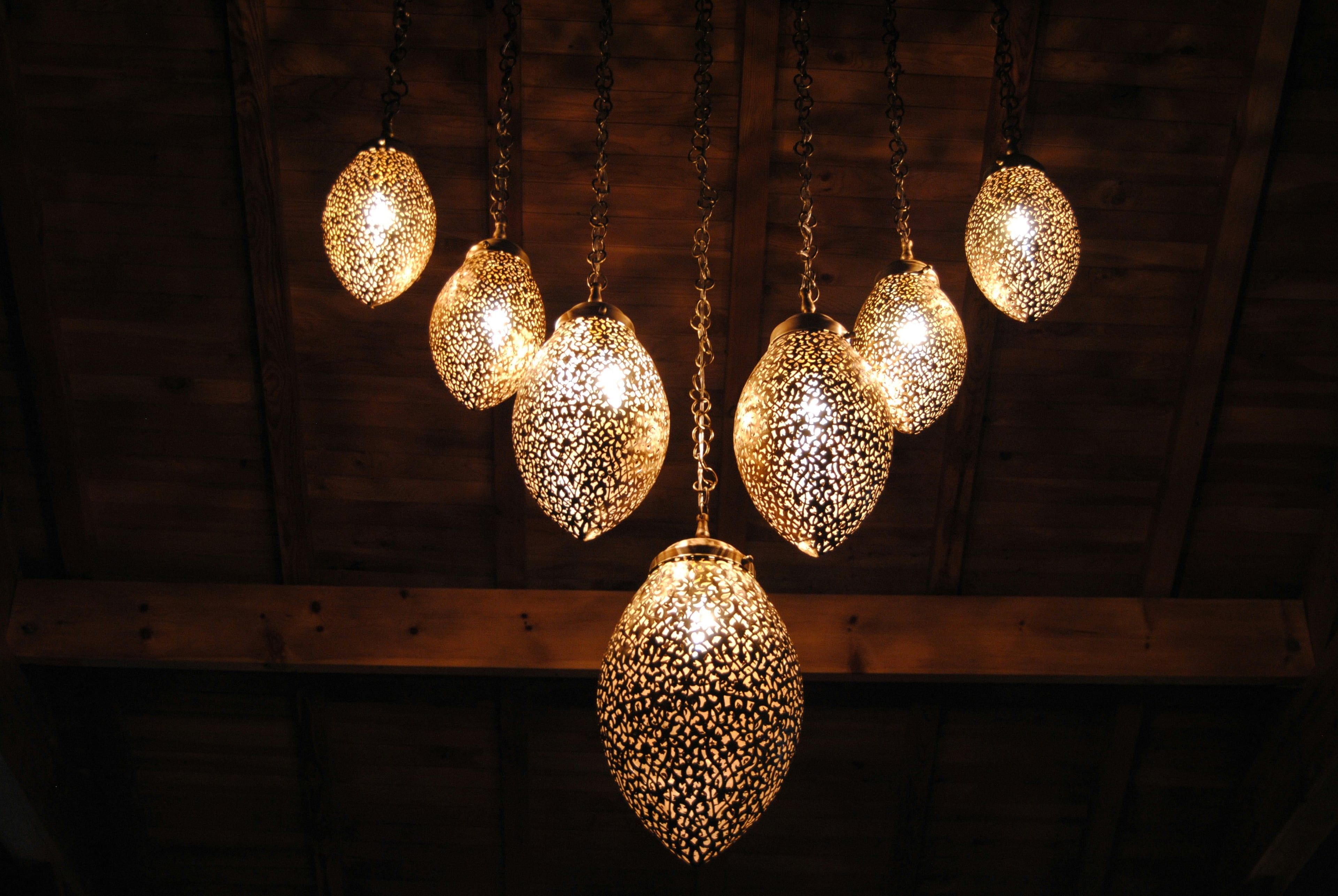
Talent travels; equipment usually does not. A DJ or band flying in from the UK or Dubai brings the music, while the sound system, lighting and stage are hired in Morocco, and quotes from abroad often exclude flights, rooms, meals and the sound itself. Ask each performer for a written technical list, and check that the stage, the dance floor and the power supply match it.
Moroccan performers add spectacle. A fire, light and aerial show typically runs for fifteen to twenty-five minutes, longer when the acts are combined; fire needs a safety perimeter and the venue’s approval of the site, and aerial acts need approved rigging points or a freestanding structure. Agree the place and the timing with the venue before you announce it.
The night and its curfew
There is no single closing hour in Morocco. Each venue sets its own, for outdoor and indoor music, in some cases on the instructions of the local authorities, and the answers differ widely from one place to the next. For a Sangeet, that hour shapes everything: when the family performances start, when the headline act plays, and whether the party moves indoors for its last hours.
Ask for the hour in writing before you choose the venue, then build the evening backwards from it. If you are considering a smaller house, our guide to a small Indian wedding in Morocco sets out the range of answers venues give. For a Sangeet under the stars, the camps of the Agafay desert near Marrakech are another setting to consider.
Artists from India, the UK or the Gulf
Indian performers at a wedding in Morocco usually fly in. Their quotes often cover the performance alone: flights, rooms, meals and transfers come on top, and a deposit secures the date. An artist travelling on an Indian passport, like your guests, needs the right entry document for Morocco; our guide to the Morocco visa for Indian passport holders covers the eVisa for visitors.
Two questions deserve an answer before anything is signed: who contracts each performer in Morocco, and what paperwork, if any, a paid performance adds to a visit. Ask your planner to confirm both in writing.
Seven questions to settle before the two evenings
- Who draws the bride’s henna? An artist from home, a Moroccan artist, or both.
- What is in the paste? Natural henna only, and never “black henna”.
- How many guests want henna, and when? The answer sets the number of artists.
- What follows the Mehendi? Nothing that involves water for a day.
- Who teaches the dances, and from where? Video calls first, then days on site.
- Who supplies the sound, light and stage? And who pays for the performers’ travel.
- When must the music stop? Outdoors and indoors, in writing.
So, can you hold a Mehendi and a Sangeet in Morocco?
Yes, and the country gives them something more. The Mehendi meets a henna tradition of Morocco’s own, the Sangeet a music that can answer the dhol with Gnawa. What makes the two evenings work is practical: natural henna and an afternoon kept free for it, rehearsals that start at home, performers whose travel and equipment are settled early, and a written answer from the venue on when the music stops.
Planning the Mehendi and the Sangeet? Tell us your dates, your families’ traditions and the evenings you imagine, and we will answer by e-mail or video call.
Questions families ask about the Mehendi and the Sangeet in Morocco
Can we find a mehndi artist in Marrakech?
How long does bridal mehendi take?
Is black henna safe?
Can our Sangeet choreographer come to Morocco?
Do Indian DJs bring their own equipment to Morocco?
Should the Haldi be held on the same day as the Mehendi?
Editorial note
This guide draws on UNESCO’s pages on “Henna: rituals, aesthetic and social practices” (inscribed in 2024) and on Gnawa (inscribed in 2019), and on the US Food and Drug Administration’s fact sheet on temporary tattoos, henna and “black henna” (content current as of 15 October 2024), all read on 23 November 2026. The practical details come from the written replies of henna artists, make-up artists, choreographers, anchors, musicians, DJs and performers, and from the terms set by venues in Morocco, received in October and November 2026 in answer to our questions. They are given without names or prices, and without any detail that would identify a venue.
- UNESCO, Henna: rituals, aesthetic and social practices, read on 23 November 2026
- UNESCO, Gnawa, read on 23 November 2026
- US Food and Drug Administration, Temporary tattoos, henna/mehndi, and “black henna”: fact sheet, read on 23 November 2026
This guide gives no medical advice. Each venue sets and may change its own terms for music, stages and performances: confirm them in writing for your dates. No artist or venue is named or recommended here. Sehra Morocco is a new company: this guide describes no wedding of our own.
Written by Sehra Morocco. Last reviewed: .
Tell us about your celebration.
By e-mail or video call. We reply within two working days.