Morocco with kids and grandparents: one journey, three generations
Morocco with kids is a journey of short drives and long lunches, dunes and orange groves; with grandparents too, it asks for a little more thought: the hours on the road, the height of a pass, the medicine in the bag and the papers of the youngest.
Reviewed 23 November 2026 · Sources at the end
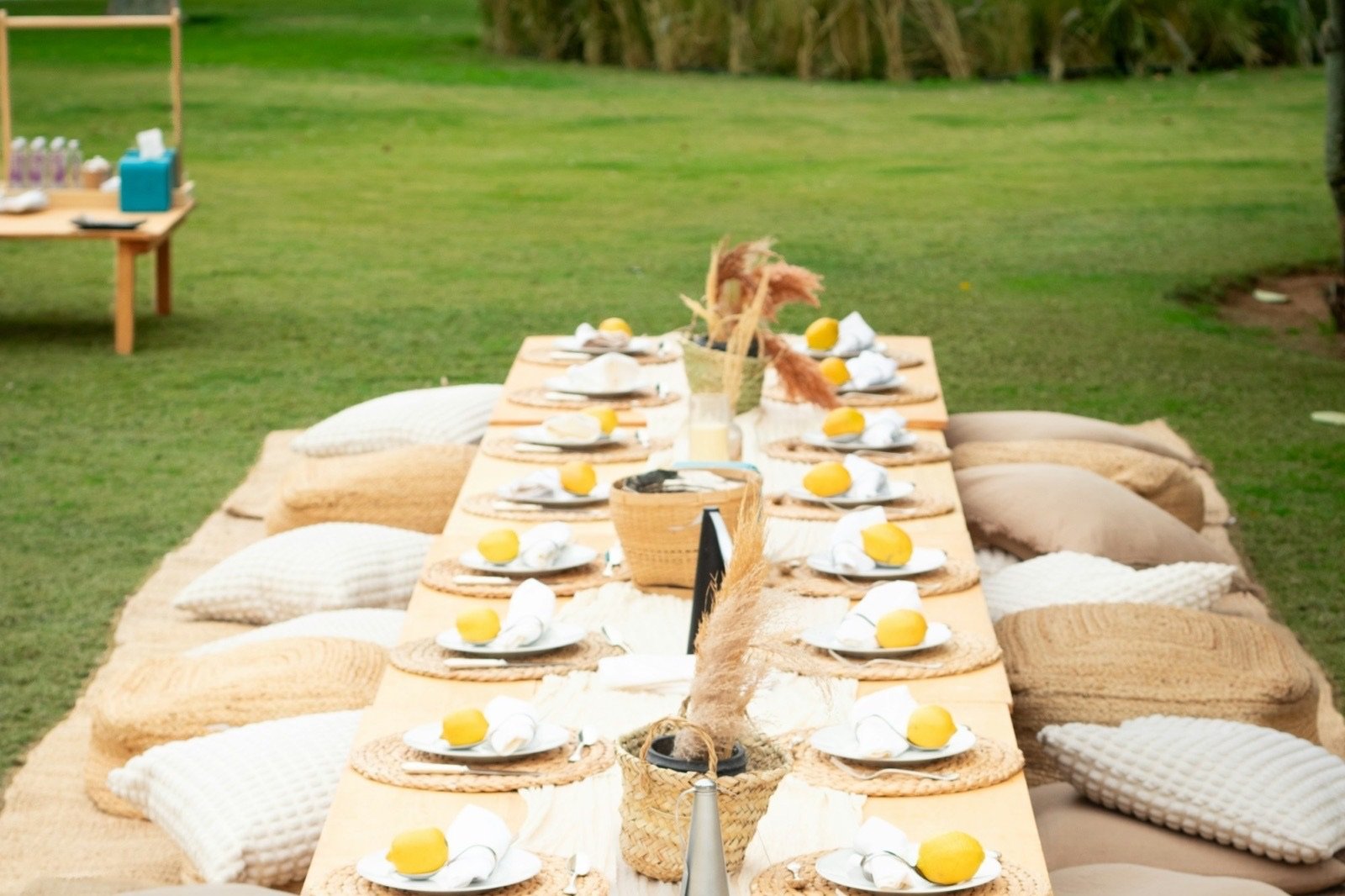
Travelling in Morocco with kids and grandparents together works best when the journey is planned around the youngest and the oldest traveller, rather than around the map. Mountains, a stone desert and the Atlantic lie within a few hours of Marrakech. What a family from India needs to settle in advance is less about the sights than about the frame around them.
This guide gathers that frame for the whole country: how far each region really is, how high the roads climb, what the health advice says, which papers a child needs, how to ask for help at the airport, and what can be arranged on the ground, from a nanny to a wheelchair. Each destination has its own guide, linked where it matters. Sehra Morocco plans tailor-made journeys across Morocco for travellers from India. The facts come from the UK and French governments’ travel advice, the NHS, Royal Air Maroc, Morocco’s eVisa portal and India’s Passport Seva, listed at the end; the practical advice that follows from them is ours.
Morocco with kids and grandparents, at a glance
- Emergency numbers
- Ambulance and fire 150, police 190, gendarmerie 177
- The longest drives from Marrakech
- Fès about six hours, Merzouga about ten, without stops; the High Atlas villages under an hour and a half
- The highest road
- The Tizi n’Tichka pass, at about 2,200 metres, crossed rather than stayed at
- Desert nights
- About 2 to 5 °C on average from December to February
- Children’s papers
- A passport and an eVisa for every child; on an eVisa, a minor enters only with a parent or a legal representative
- Medicines
- Enough for the whole stay, in their original packaging, with a prescription that gives their generic names
- Help at the airport
- Royal Air Maroc asks for wheelchair assistance when the ticket is bought, or at least 48 hours before the flight
- At the table
- Vegetarian or Jain meals: ask in advance, dish by dish; allergies stated clearly
Rules, timetables and travel advice change: check them again with the official sources before you travel.
Where to go: distance, altitude and the seasons
The first question for three generations is not which region is most beautiful, but how long it takes to get there. Measured on OpenStreetMap from the heart of Marrakech, without a single stop, the villages of the High Atlas are about an hour and twenty minutes away, Essaouira and the Atlantic two hours and forty, Ouarzazate three hours and forty over the mountains, Fès about six hours and the dunes of Merzouga about ten. Our guide to things to do in Marrakech with grandparents and children sets a rule of about five hours on the road a day; on those figures, the far north and the Sahara need a night on the way, a train or a domestic flight.
Each region has its own answer for families: the gentle climate and short drive of Essaouira; the flattest paths of the Atlas Mountains; the sloping lanes of the medina of Fès, best walked downhill; and, for the desert, the Agafay, under an hour away, or the dunes of Merzouga, which deserve two nights.
How high the roads climb
The road south over the High Atlas crosses the Tizi n’Tichka at about 2,200 metres. It is a pass you drive over, not a place you sleep, and it stays below the 2,500 metres above which, the NHS says, altitude sickness usually occurs. Imlil stands at about 1,800 metres; the ski area of Oukaïmeden, between about 2,600 and 3,200 metres, is the exception. The UK government notes that altitude sickness is a risk in parts of Morocco: if anyone in your party has a heart or breathing condition, ask their doctor about mountain roads before you go.
Cold nights, hot afternoons
Morocco’s extremes are seasonal. From December to February, desert nights fall to about 2 to 5 °C on average and snow often falls on the Tichka pass between November and March; in July and August, the afternoons inland are hot enough to keep outings to the morning and the evening. Month by month, and set against India’s school holidays, the seasons are in when to visit Morocco from India.
Health, medicines and insurance
Whether Morocco is safe in general is answered, from the official advice, in our guide to travelling to Morocco from India; with children and elderly parents, the questions become more particular. The UK government advises checking, before you travel, that your destination can provide the care you may need, and taking insurance that covers treatment on the spot and an unexpected medical evacuation, all the more for anyone with a health condition. Public hospitals provide limited care; private clinics work to a higher standard.
- Vaccines. Ask your doctor or a travel clinic at least eight weeks before you leave, for every generation.
- Medicines. Bring enough for the whole stay: the UK government notes that travellers have had trouble finding their medication. Keep each medicine in its original packaging, with a prescription that gives its generic name, and check that it is allowed in Morocco: the legal status of some medicines differs from one country to another.
- Pharmacies. The UK government notes that pharmacies open around the clock can be found in every city and district. If one does not have your medicine, it will ask for a new prescription from a Moroccan doctor for an alternative.
- Allergies. Information on allergens is not consistently given, and cross-contamination may be more likely than at home: state a child’s allergy clearly at every meal, and leave aside any dish you are unsure of.
- Emergencies. Dial 150 and ask for an ambulance; the police answer on 190 and the gendarmerie on 177. Then call your insurer.
For vegetarian or Jain meals, ask at every stop, in advance and in writing, and agree the dishes one by one. What to ask for is set out in our guide to eating vegetarian or Jain in Morocco as a traveller.
Animals in the street, waves on the shore
Two warnings in the official advice matter most with small children. Stray animals are common in many towns, packs of dogs often gather in parks and on waste ground, and rabies is present in Morocco: teach the youngest not to stroke or feed any animal they meet, and if anyone is bitten or scratched, seek medical help at once. On the coast, many beaches have limited lifeguard cover or none at all, strong currents and unexpected waves can occur, and swimming in rivers and reservoirs can be dangerous. Keep children in the water where a lifeguard is on duty, and within reach.
Papers for the youngest travellers
Every child needs a passport and an eVisa of their own. Check the children’s passports first: an Indian passport issued to a child under 15 is valid for five years or until the child turns 18, whichever comes first, so it often runs out before the parents’. Morocco’s eVisa conditions add one rule that matters to families: a minor under 18 holding an eVisa may enter Morocco only with one of their parents or a legal representative. How to apply, and how one file can hold a whole family, is set out in the Morocco eVisa for Indian passport holders.
If a child travels with one parent only, ask Morocco’s embassy in New Delhi, well before you fly, which papers to carry. And since the eVisa conditions allow a minor to enter only with a parent or a legal representative, ask before applying if a child is to travel with a grandparent or another relative.
The grandparents’ journey: flights, rooms and help with walking
For grandparents, the long day is the flight. Royal Air Maroc can provide a wheelchair at every airport it serves, assists passengers from check-in to the gate and, on arrival, from the aircraft to the car, and carries up to two mobility aids free of charge. It asks to be told when the ticket is bought, or at least 48 hours before departure, and suggests arriving three hours before the flight. Other airlines set their own rules: ask each one, for every leg, and confirm a few days before.
On the ground, the ground floor matters as much as the view. In the medinas, riads often reach their rooms by steep stairs, with few rooms downstairs and often no lift, as our guide to Fès notes: name the travellers who need a room without stairs when you choose where to stay, and ask how the luggage reaches the door in the medinas, where the last stretch is on foot.
Wheelchairs, both manual and electric, shower chairs and mobility scooters can be hired in Marrakech and delivered to where you stay. Hire companies set a minimum period and ask for notice, so arrange it well before you travel; one specialist asks for a month. In the medina of Marrakech, a wheelchair is hard going on foot: the gardens and the courtyards are kinder, as our guide to Marrakech for Indian families explains.
Help on the ground: nannies, car seats and quiet hours
A nanny gives parents an evening of their own and grandparents an afternoon of rest. In Marrakech, one agency works by day, by evening and by night, with one nanny for three children at most, and states that its nannies speak English, hold Red Crescent first-aid training and have had their criminal records checked. Such checks are declared by the agencies themselves: ask for them in writing, with the languages spoken, before the first evening.
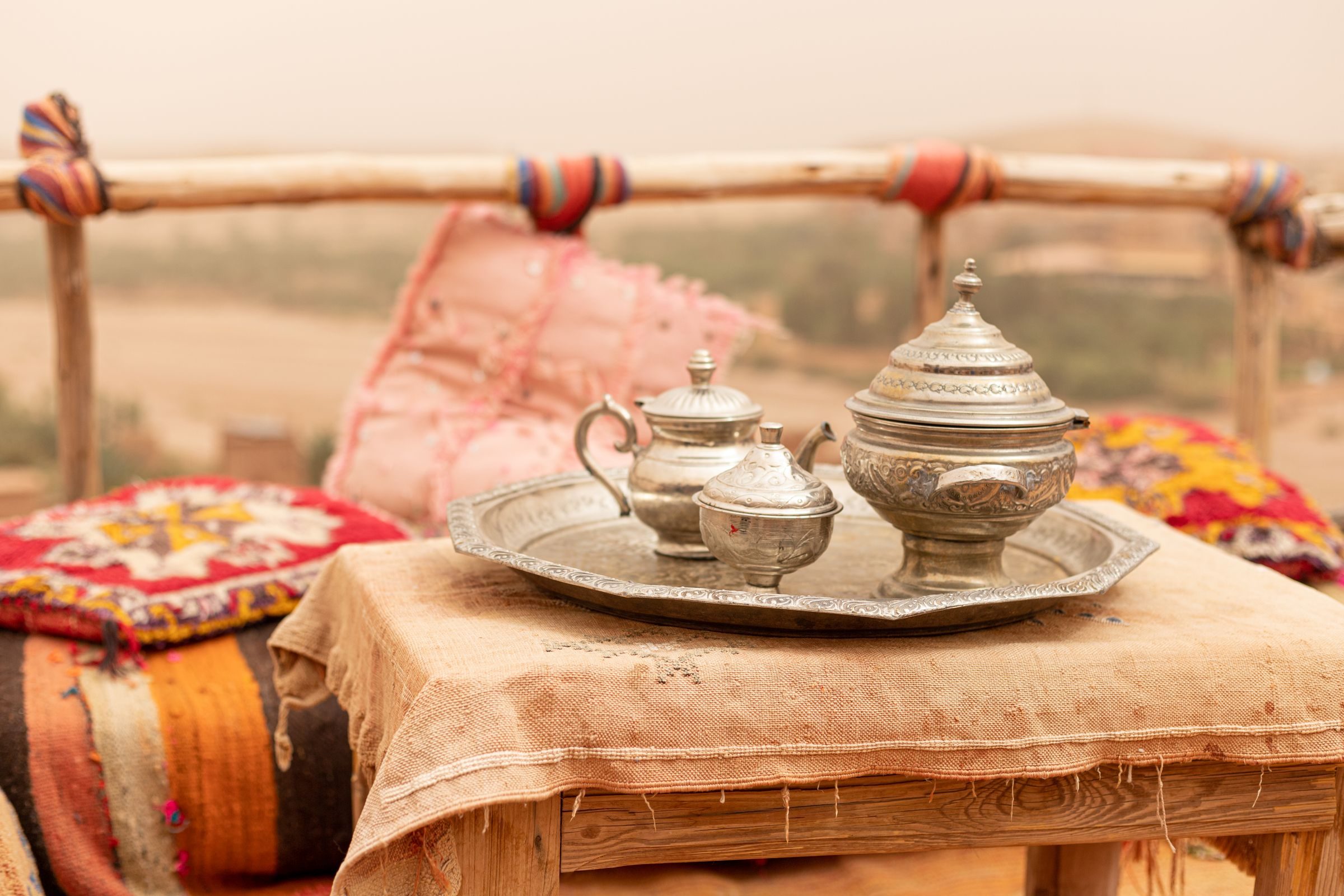
On the road, ask the driver or the transfer company in advance whether each vehicle carries a child seat suited to each child’s age and size, and how many: do not assume it. And leave room in every day for the hours that belong to no one: a long lunch in the shade, a rest through the heat, tea while the children play.
Six questions to settle before you leave
- Who is the youngest, and who is the oldest? Their pace sets the longest drive of the journey, and tells you whether the Sahara needs a domestic flight.
- Does any stay sit above 2,500 metres, or cross the Tichka in winter? Ask a doctor about the first, and keep a spare half-day for the second.
- Is every child’s passport valid, and every eVisa issued? If a parent stays at home, check with Morocco’s embassy which letter to carry.
- Are the medicines packed for the whole stay? In their original boxes, with prescriptions that give their generic names, and the insurance papers beside them.
- Has every airline been told about the wheelchair? Royal Air Maroc asks at least 48 hours before departure; ask every other airline for its own deadline, for the outbound journey, the return and any domestic leg.
- Does each stay have a room without stairs, and each car the right seats? Ask in writing, before you arrive, not on the doorstep.
So, is Morocco good with kids and grandparents?
Yes, because so much of the country lies within a short drive of Marrakech: the High Atlas, a stone desert and the Atlantic, each reachable without a long day in the car. The far north and the great dunes are within reach too, if the road is split or replaced by a flight. What makes the journey work for three generations is the frame: a passport and an eVisa for every child, medicines for the whole stay, the airline told about the wheelchair, the emergency numbers saved, and a room on the ground floor.
Planning a journey for your family, from the youngest to the oldest? Write to us with your dates and the ages in your party, and we will answer by e-mail or video call.
Questions families ask about Morocco with children and grandparents
Is Morocco a good holiday with kids?
Is Morocco suitable for elderly parents and senior citizens?
Can grandparents and young children go to the Sahara?
What documents does a child need to travel to Morocco from India?
Can you buy medicines in Morocco?
What is the emergency number in Morocco?
Editorial note
This guide draws on the UK government’s travel advice for Morocco, updated on 19 August 2026; the French Ministry for Europe and Foreign Affairs’ travel advice for Morocco, updated on 18 November 2026; the NHS page on altitude sickness (last reviewed 31 July 2023); Royal Air Maroc’s page on reduced mobility; the conditions of use of Morocco’s electronic visa; and the instructions of India’s Passport Seva for passport applications. All were read on 23 November 2026. Driving times were calculated with the OSRM route planner on OpenStreetMap data on the same day, from Jemaa el-Fna, without stops. The height of the Tizi n’Tichka follows the measurement given by Wikipedia; the altitudes of Imlil and Oukaïmeden, the desert nights and the snow on the pass come from our guides to the Atlas Mountains, Merzouga and Ouarzazate, which cite their own sources. Details on nannies and on mobility equipment come from written answers from a nanny agency and an equipment hire company in Marrakech, received in October 2026 and kept on file.
Apart from an airline and public bodies, no business is named, and none is recommended. Nothing here is medical advice: ask a doctor about any health question. Rules, timetables and travel advice change; check them again before you travel. This guide describes no journey of our own.
- GOV.UK, Morocco travel advice: health, getting help, safety and security and entry requirements, updated 19 August 2026
- France Diplomatie, Morocco travel advice: health and safety, updated 18 November 2026 (in French)
- NHS, altitude sickness
- Royal Air Maroc, reduced mobility
- Kingdom of Morocco, eVisa portal: conditions of use of the electronic visa (PDF)
- Government of India, Passport Seva: instructions for filling in the passport application form (PDF)
- OSRM route planner on OpenStreetMap data, 23 November 2026; Wikipedia, Tizi n’Tichka
- Written answers from a nanny agency and a mobility-equipment hire company, October 2026, kept on file.
Written by Sehra Morocco. Last reviewed: .
Tell us about your trip.
By e-mail or video call. We reply within two working days.