The cost of an Indian wedding in Morocco, and who pays for what
No two Indian weddings in Morocco cost the same, because no two rest on the same venue, the same kitchen or the same guest list. Here is what goes into the budget, what moves it, who pays by custom and by choice, and how a proposal is put together.
Reviewed 24 November 2026 · Sources at the end
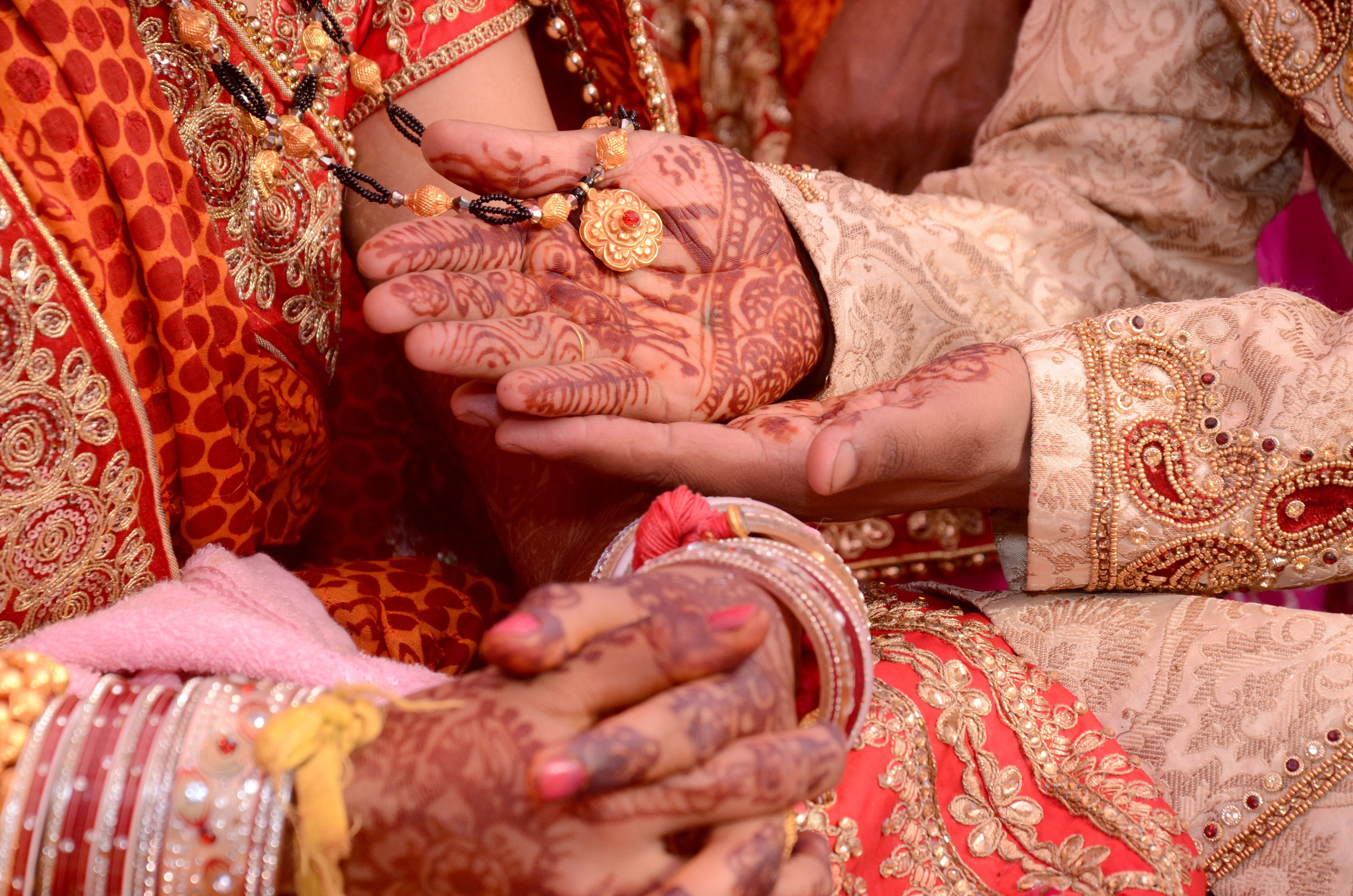
The cost of an Indian wedding in Morocco is set by a handful of decisions rather than a price list: how many guests you host and for how many nights, the venue you take over in full, who cooks, how many ceremonies you hold, and what you offer your guests. We do not publish a price, and we explain why below. Who pays is a family decision. In many families, by long-standing custom, the bride’s family paid for the wedding; today many families share the cost, and many couples pay part of it themselves.
Below: the lines of the budget as they appear in Morocco, the levers that move them, who pays by custom, what the two families settle for a wedding in Morocco, and how our written proposal is built. Sehra Morocco plans Indian weddings in Marrakech and across Morocco. The venue terms come from venues’ written replies, given without their names; the customs come from the published sources listed in the editorial note; the advice is ours.
What goes into the cost of an Indian wedding in Morocco
An Indian destination wedding budget in Morocco is written line by line, and several lines exist only because the wedding is held here. In the order a family meets them:
The venue, taken over in full
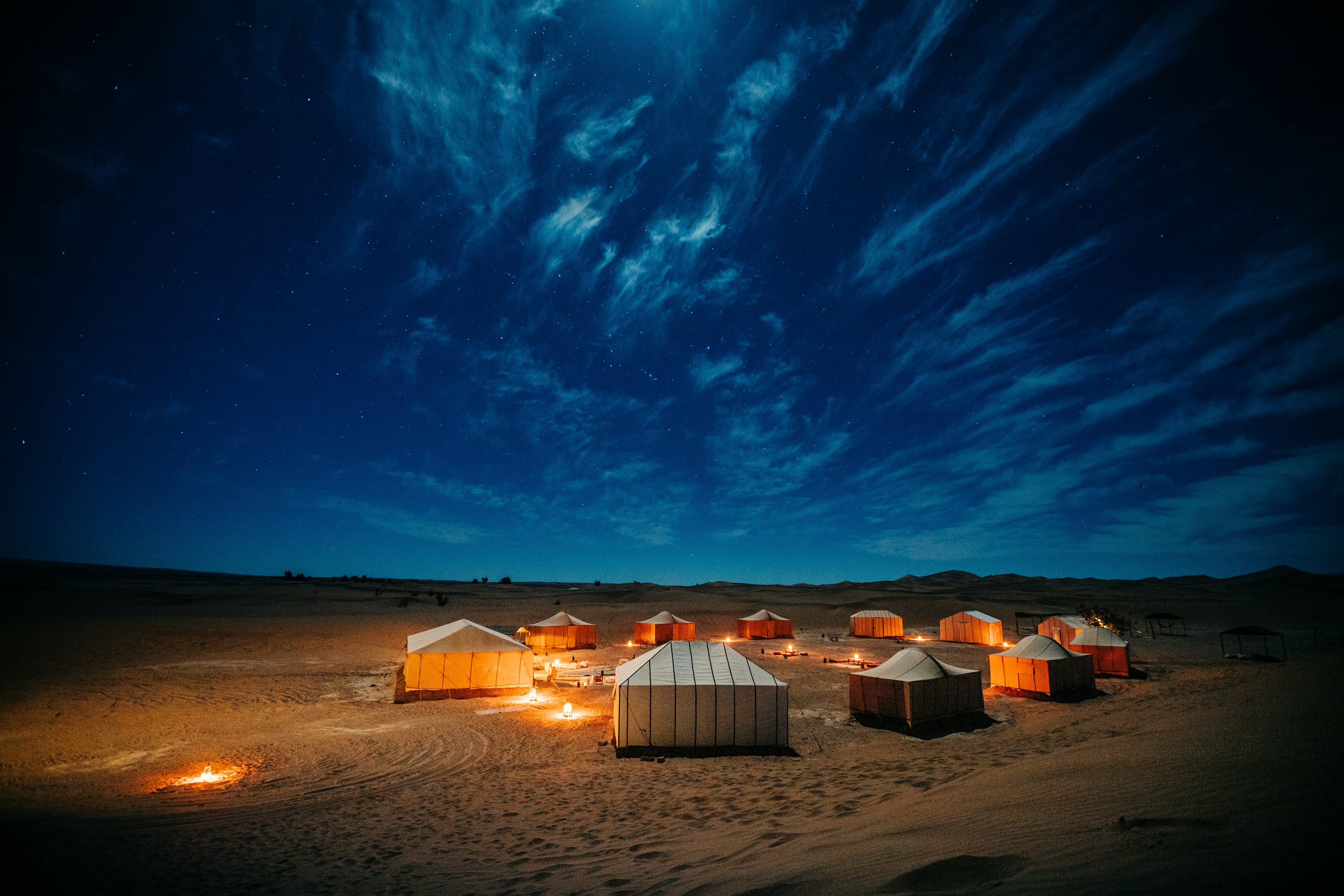
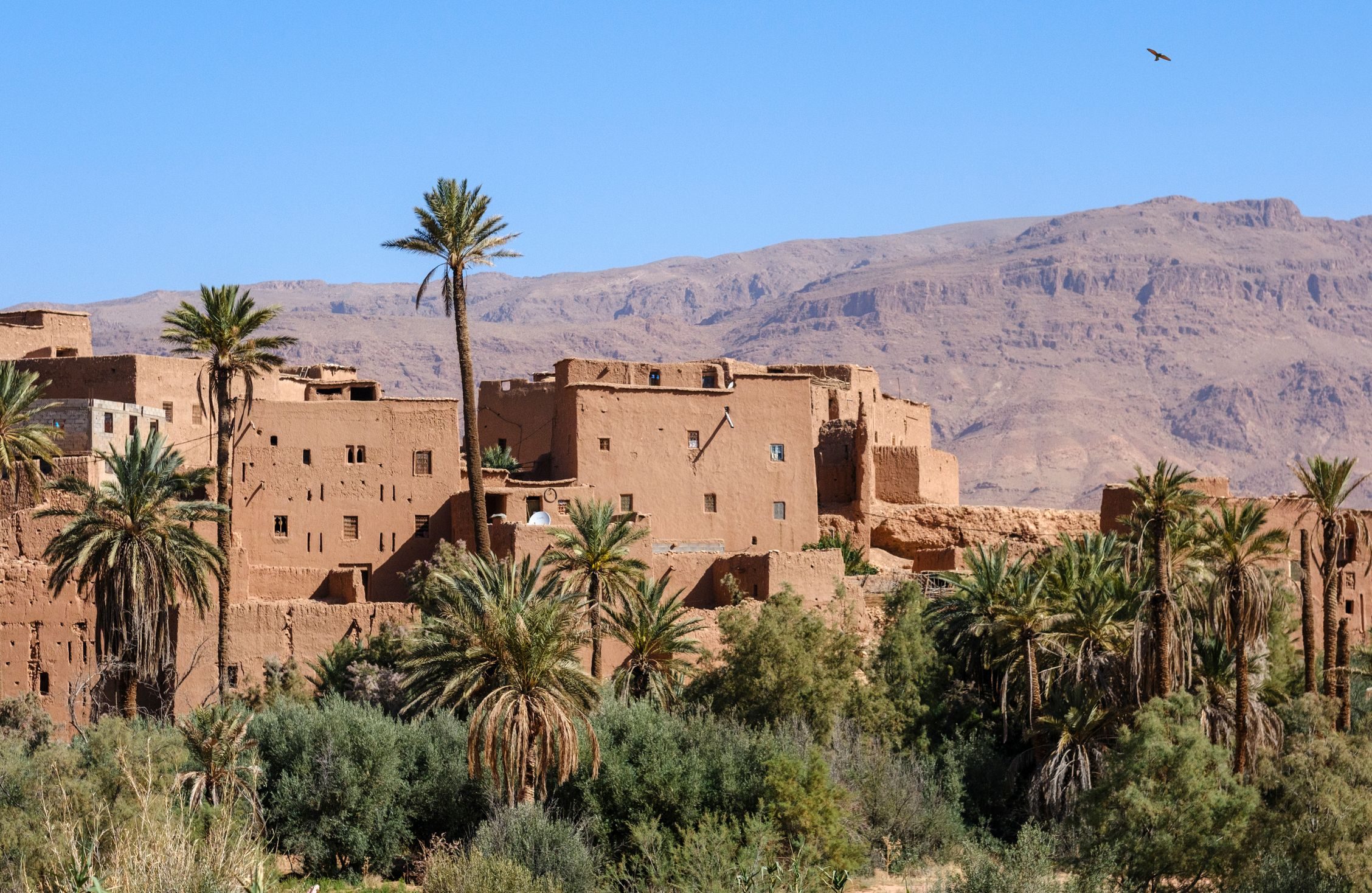
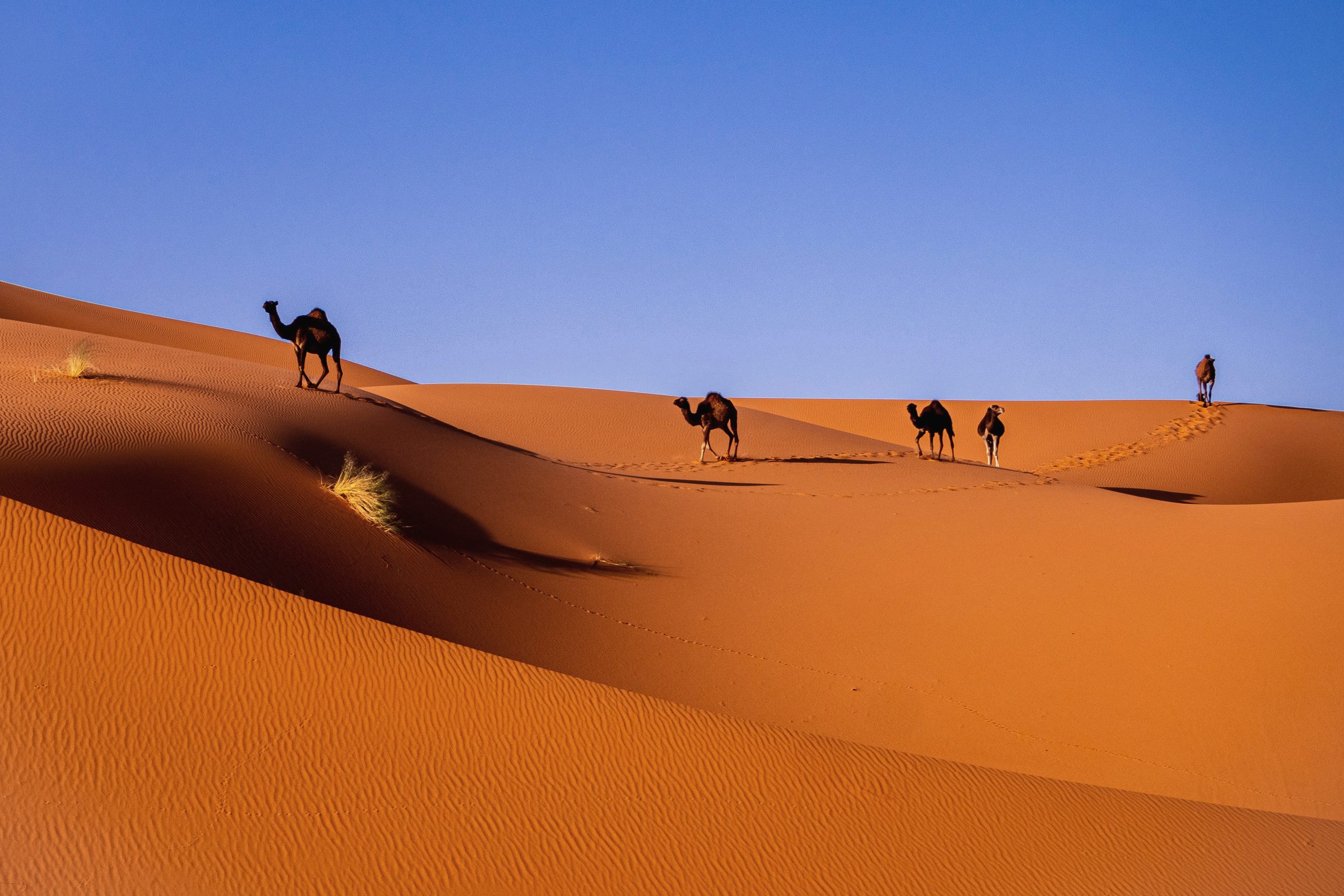
Every Indian wedding we plan in Marrakech and across Morocco takes place in a fully privatised venue: a palace, a private estate, a kasbah in the Atlas or a camp in the desert. Each venue sets the nights of exclusive use it requires, and at some venues, setting up and clearing away fall within them. Some require exclusive use as soon as a group needs most of their rooms. When the guest list outgrows an existing desert camp, we build a camp for you, and the camp becomes a line of its own. Our page on Indian wedding venues in Marrakech and Morocco describes these families of places.
Rooms for your family and your guests
Guests usually sleep where the wedding is held, or close to it. When the venue has fewer rooms than guests, the others stay in hotels nearby, and the budget gains shuttles every evening. Who pays for those rooms is one of the first things to settle between the families, as the table further down shows.
The Indian kitchen, put together on site
In Morocco, the Indian wedding kitchen is assembled for each wedding. Who cooks is chosen with the venue: a chef from India, a guest chef from London or Dubai, or the venue’s own brigade under supervision. Venues answer the question differently: some accept an outside Indian caterer, one gives your caterer a separate kitchen, another admits one for an entry fee, and another accepts no outside caterer at all. Every table we plan is pure vegetarian, strict Jain on request, with a dedicated kitchen, utensils and frying oil; what has to travel from home belongs to the same line. The menus are on The Table, and each regional cuisine in our guide to Jain and Indian food in Morocco.
The rituals: mandap, sacred fire and Baraat
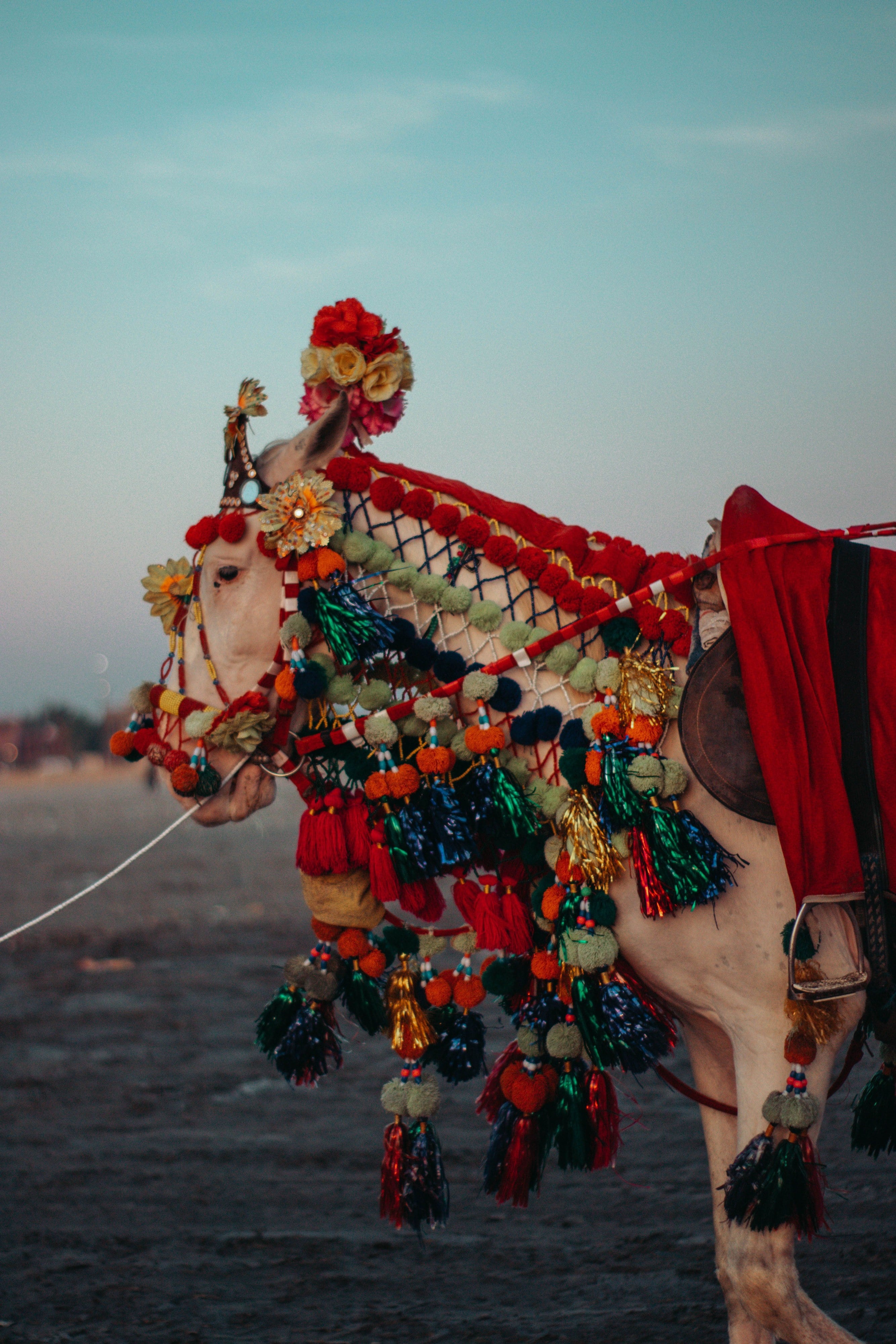
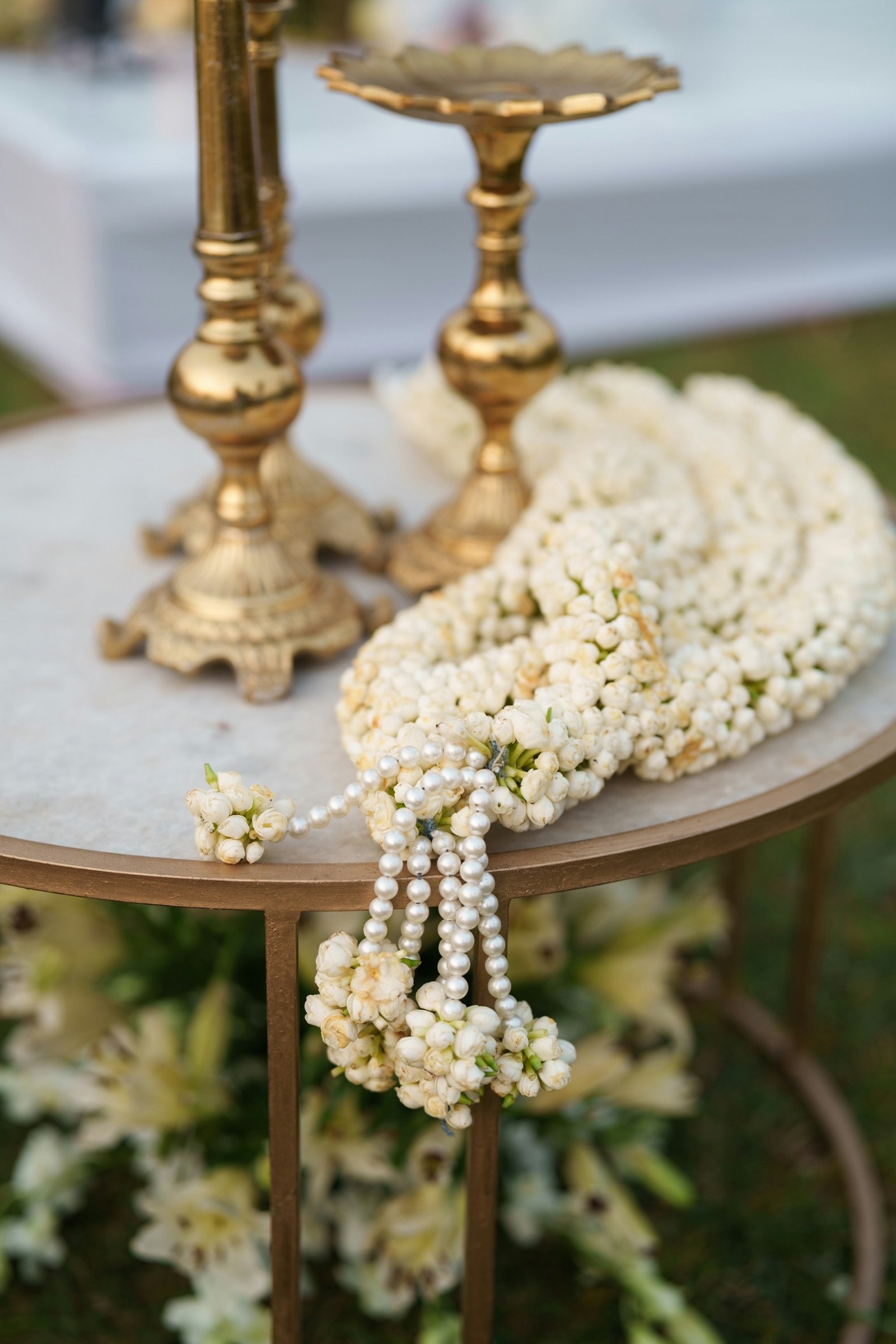
The mandap and its décor are built on site. Where the sacred fire can burn, and on what conditions, is confirmed in writing by the venue before any quote; one venue studies a ritual fire case by case, on the fuel, the container and its size. Your pandit is welcome, and if he travels with you, his journey and stay belong in the budget too. If the groom arrives on horseback, it is on our conditions: a horse used to crowds, its handler, a vet and a rehearsal, with a vintage car in reserve if the ground is slippery. Each ceremony is described on our page on Indian wedding rituals in Morocco.
Music, stage and performers
Talent travels; equipment usually does not. A DJ or band flying in from the UK or Dubai brings the music, while the sound system, lighting and stage are hired in Morocco. Performers’ quotes often cover the performance alone, with flights, rooms, meals and transfers on top, and a deposit secures the date. Riders are where a Moroccan budget drifts, so we cap them in the contract. The hour at which each venue stops the music also decides how long you need performers at all: our guide to the Mehendi and Sangeet in Morocco explains how to plan around it.
Photography and film
Whoever you choose to photograph and film the wedding, privacy and image rights are among the points the venue confirms in writing before any quote, so that what is filmed, and where, is settled before the line is costed.
Looking after your guests
Hosting guests abroad is a line that does not exist at home: meeting each guest at the airport, a private fleet with kept schedules, a desk in every hotel, welcome bags, a guest app, a quiet lounge for elders and a kids’ club. Our page on how we host a large guest list in Morocco describes each of them. Every experience a guest chooses is offered by your family. Alcohol is served only if your family wishes, and only where the venue holds the licence.
Planning and coordination
One contact follows your wedding from the first call to the farewell brunch, and our team is on site in the days before the first ceremony. How we work, step by step, is set out on how to plan an Indian destination wedding in Morocco.
What makes the cost rise or fall
No line has a fixed size. These levers move the total, in the order families usually decide them:
- The guest list. Every guest adds a room, a seat at every meal and a transfer; beyond what one house can sleep, a second hotel and evening shuttles.
- The ceremonies. A Ganesh Puja, a Haldi, a Mehendi, a Sangeet, the wedding and a reception: each has its own décor, menu and music. Keeping some with close family changes the guests at each.
- The nights. Each venue sets its minimum of exclusive use; weekends, high season and spring often call for more, and some venues are not let in full in their busiest months.
- The season. Your pandit sets the muhurat, and the month then decides what is available. Our guide to the best time for an Indian wedding in Morocco helps you choose.
- The place. A palace in Marrakech, a kasbah in the Atlas or a camp in the desert: distance adds transfers, and a guest list larger than an existing camp means building one.
- Who cooks, and what travels. A chef from India or a guest chef from London or Dubai travels and stays; a venue that admits an outside caterer for a fee adds that fee.
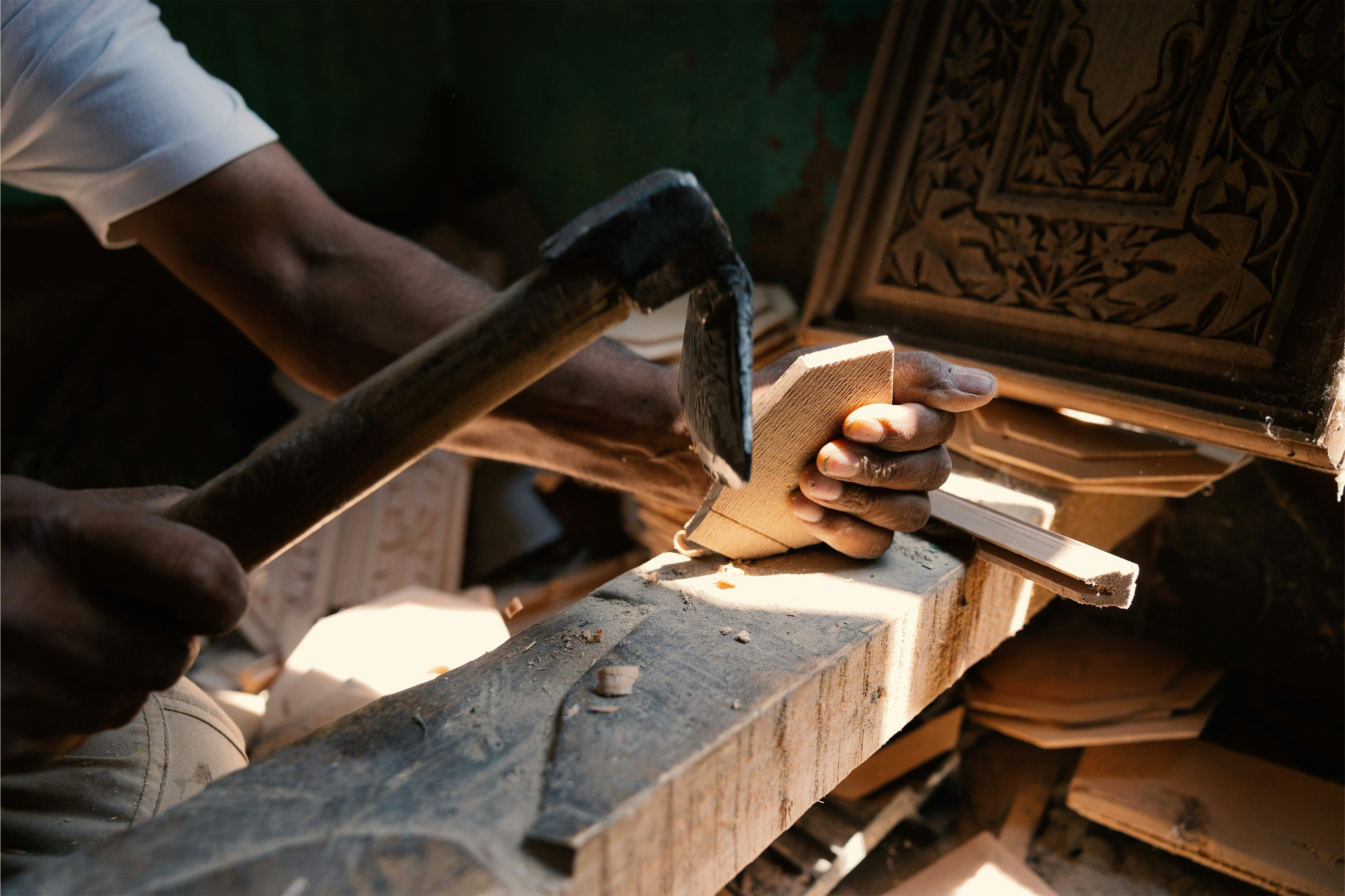
- What is built on site. The mandap, the stage, the décor, the sound and the light.
- What you offer your guests. Everything, the stay and the ceremonies, or the ceremonies with rooms held for them.
Who pays for an Indian destination wedding?
There is no single rule, and no planner can set one for your family. In many families, by long-standing custom, the bride’s family paid for the wedding. The pattern is changing: in a survey of couples by the Indian wedding platform WedMeGood, families who shared the cost equally outnumbered those in which the bride’s family paid, and most couples put money in themselves, often for their outfits, the photographer and the honeymoon.
A destination wedding adds a third question to the old one of who pays for an Indian wedding: what the hosts offer their guests. Here are the lines to settle between the two families for a wedding in Morocco:
- The wedding ceremony: mandap, pandit, meals
- Who signs the venue contract, with the nights of exclusive use it carries.
- The reception
- Which family hosts it, and whether it is held in the same venue, on the same nights.
- Haldi, Mehendi and Sangeet
- One host for each event, or one shared budget for all of them.
- Outfits and jewellery
- What is bought before you travel, and by whom.
- Guests’ flights and rooms
- Offered by the hosts, or booked by each guest: say it on the save-the-date.
- Transfers, guest care and experiences
- With us, every experience a guest chooses is offered by the family.
- Photography, film and planning
- One family, or the shared budget.
| Line of the budget | To settle between the families |
|---|---|
| The wedding ceremony: mandap, pandit, meals | Who signs the venue contract, with the nights of exclusive use it carries. |
| The reception | Which family hosts it, and whether it is held in the same venue, on the same nights. |
| Haldi, Mehendi and Sangeet | One host for each event, or one shared budget for all of them. |
| Outfits and jewellery | What is bought before you travel, and by whom. |
| Guests’ flights and rooms | Offered by the hosts, or booked by each guest: say it on the save-the-date. |
| Transfers, guest care and experiences | With us, every experience a guest chooses is offered by the family. |
| Photography, film and planning | One family, or the shared budget. |
Ask the elders of both families what they have done before.
You can divide the budget by ceremony, put everything into one shared budget, or let the couple lead with the parents contributing. Whichever you choose, decide it before anything is signed and tell us at the first conversation: if you ask, our proposal can separate what each family settles.
For the guests’ side, from the save-the-date to the replies, see our guide on how to invite guests to an Indian wedding in Morocco.
And at a Moroccan wedding?
In Moroccan custom, it is common for the two families to share the cost of the wedding, according to a report on marriage in Morocco by Landinfo, the Norwegian country-of-origin information centre. The same report states that a Moroccan marriage contract requires a bride price, the sadaq, given by the husband or his family to the wife. We give no legal advice on this page, and what applies to your own marriage is a question for a lawyer. At an Indian wedding held in Morocco, your own families’ customs decide who pays.
Why we do not publish a price
Many pages on this question give a figure. We do not, and none of our reasons is a secret.
- Every wedding is composed for one family. The same guest list costs differently in a palace in Marrakech and in a camp in the desert, at a weekend in spring and on weekdays in a quieter month, with one kitchen or several.
- The venue’s terms come first. Nights, kitchen, fire and music: each venue sets them for your dates, in writing, and the budget follows from those answers. A figure given before them would be a guess.
- We are new, and we say so. We have no past weddings of our own to average, and we will not invent one.
What we give instead is a written proposal with a budget by area, built on your dates, your guests and the venues’ written answers.
How your proposal is built
- A first conversation, by e-mail or video call. Your dates or your season, your guests, your ceremonies, your community and its cuisine, and what you wish to offer your guests. Our enquiry form lets you give a budget range, or keep it for the conversation.
- The venue’s answers, in writing. Before any quote, the venue confirms where the sacred fire can burn, full privatisation, the time the music must stop, whether your guest chef may cook, separate pure veg and Jain kitchens, and privacy and image rights.
- Your written proposal. Itineraries, a budget by area, our book of experiences and your choice sheet. If you ask, it separates what each family settles.
- Come and see, if you wish. A visit to Marrakech for the venues and the tastings.
- Signature. A contract in which every agreement is written, nothing oral. Nothing is booked without your approval.
So, what will your Indian wedding in Morocco cost?
It will cost what your guest list, your ceremonies, your nights and your venue make it, and no published figure can tell you more than that. The way to a real answer is short: agree between the two families who hosts what, fix the guest list and the ceremonies, choose the season with your pandit, and let the venues answer in writing. The budget can then be written line by line, and each family knows what it is paying for.
Tell us your dates, your guests and your ceremonies, by e-mail or video call. We reply within two working days.
Questions families ask about the cost and who pays
How much does an Indian wedding in Morocco cost?
Can you tell us whether our budget is enough?
Who pays for an Indian wedding: the bride’s family or the groom’s?
Do the hosts pay for the guests’ flights and rooms?
Who pays for a wedding in Morocco?
Do guests pay for anything during the wedding?
Can we bring our own Indian caterer, and does it change the cost?
What changes for a smaller wedding?
Editorial note
The venue terms on this page (nights of exclusive use, outside caterers, the sacred fire, music) come from the written replies of venues in Morocco, received in October and November 2026 and already summarised, without names, in our guides to a small Indian wedding and to the Mehendi and Sangeet in Morocco.
The Indian customs come from WedMeGood’s annual wedding industry report (January 2024) and Stylist magazine (June 2015). The Moroccan custom comes from the Landinfo report “Morocco: Marriage and divorce – legal and cultural aspects” (April 2017). All were read on 24 November 2026; none of their figures is repeated here. The order of the budget lines, the levers and the way our proposal is built are our own method.
Customs differ from one family to another; venues set and may change their own terms. Sehra Morocco is a new company: this page describes no wedding of our own and gives no price.
Written by Sehra Morocco (about us). Last reviewed: .
Inside the wedding
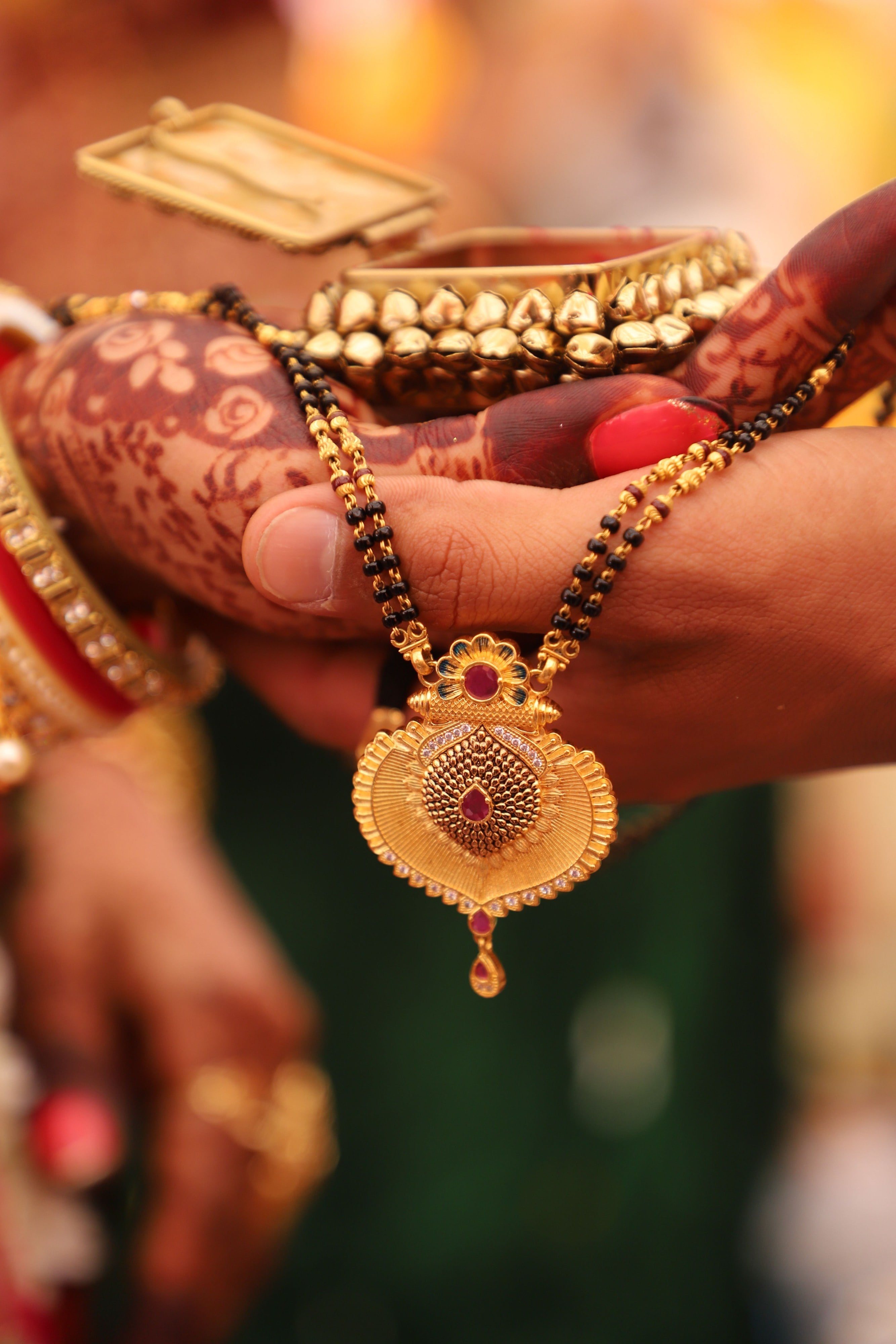
RitualsRead the rituals 
The TableSee the menus 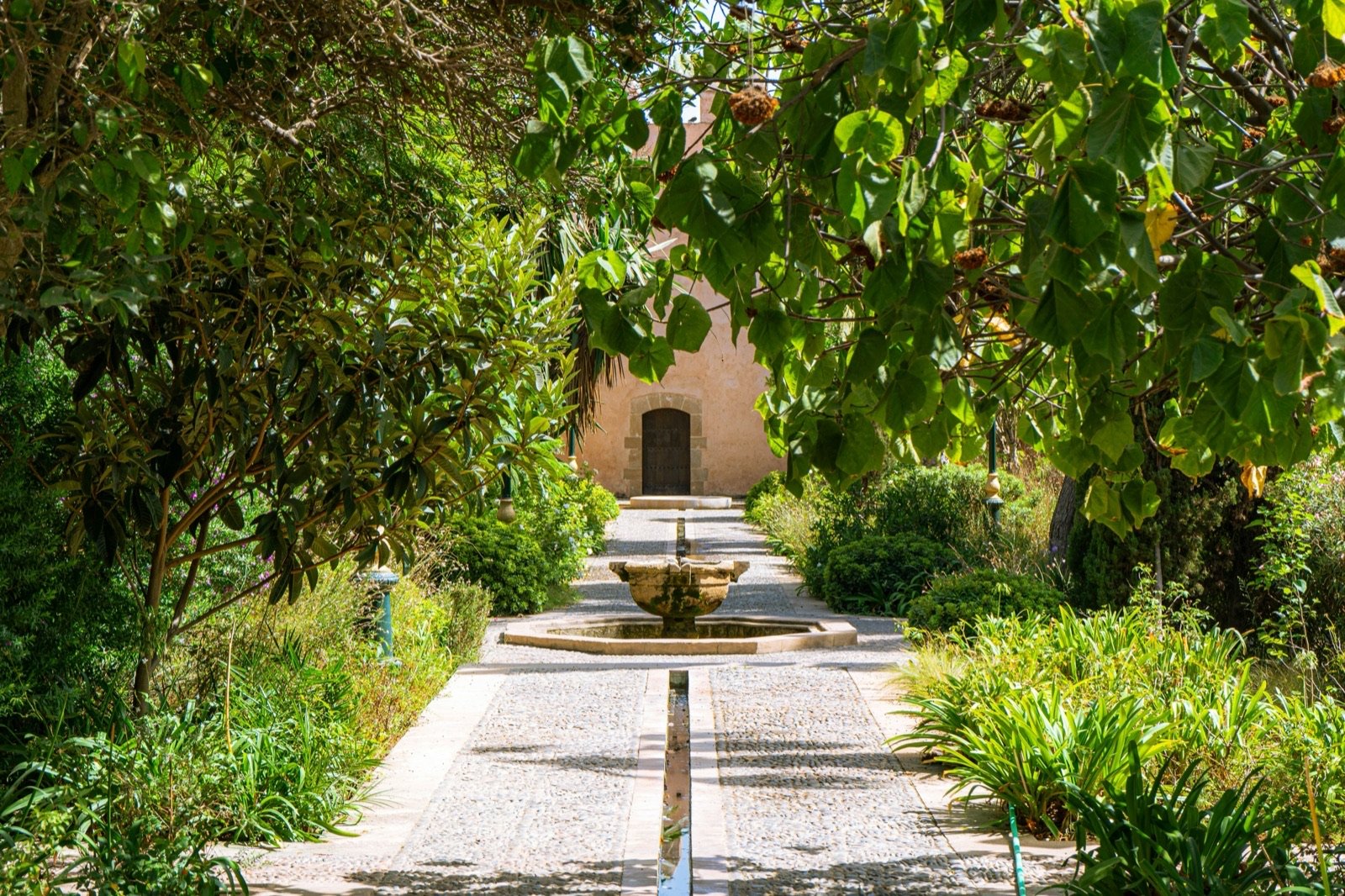
VenuesSee the venues
Tell us about your celebration.
By e-mail or video call. We reply within two working days.